
Why Washed Stone Has Become a New Favorite for Decoration Combining Natural Beauty and Practicality
-
Definition and Structure of Washed Stone
Washed stone is a unique decorative material. It is made by mixing natural aggregates such as river pebbles, sea pebbles or gravel with cement or special adhesives in a certain proportion, spreading the mixture on the base layer, then flattening it with a weighted tool, and finally cleaning off the adhesive on the surface to reveal the original appearance of the stones. This process is similar to the exposed aggregate concrete craft popular in the 1970s and 1980s.
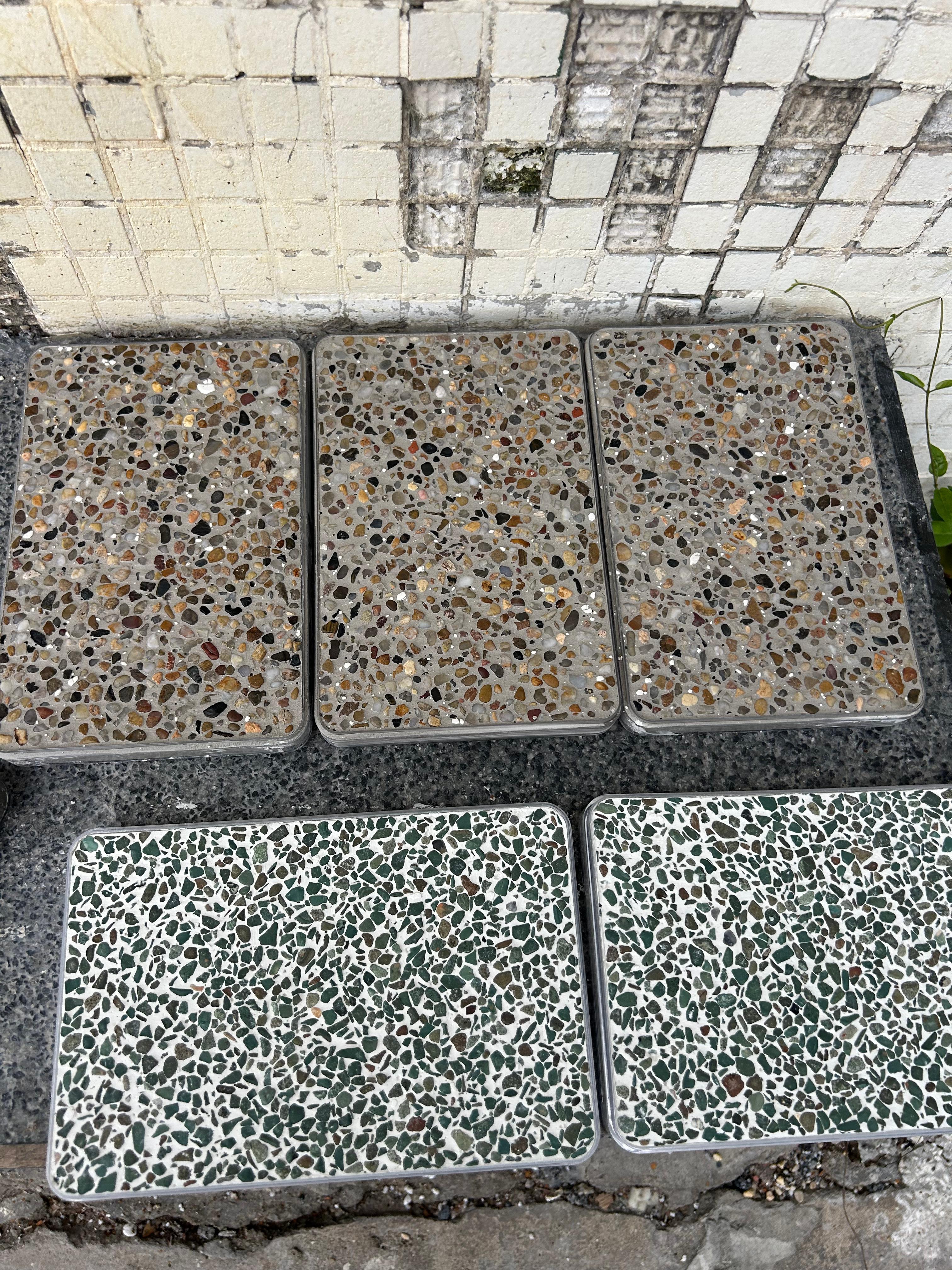
The main body of washed stone is formed by mixing natural stones, quartz sand and cement in appropriate proportions. After being spread on the base layer, high-pressure water jets are used to wash away the surface cement, exposing the stones to create a textured and naturally tactile surface. The aggregates are usually fine stones of various colors, with a typical specification of 8mm, though there are slight variations depending on the type. For example, washed stone made of agate material has a specification of approximately 6mm, while that made of bloodstone material may reach 9mm.
Performance Characteristics of Washed Stone
High Water Permeability and Air Permeability
Washed stone flooring has a porosity of 15%–25% and a water permeability rate of up to 270 L/m² per minute, far exceeding the drainage capacity of top-tier drainage systems under maximum rainfall. Such high permeability ensures excellent drainage performance, allowing rapid removal of surface water. Meanwhile, its porous structure provides favorable air permeability, effectively transferring temperature between the surface and soil, regulating air and ground temperature and humidity, and significantly mitigating the urban heat island effect. In addition, it offers sound absorption, noise reduction and non-reflective surface properties, which bring positive effects in both environmental improvement and traffic safety enhancement.
Eco-friendliness
Washed stone provides outstanding ecological benefits. It effectively replenishes groundwater, supporting timely recharge and conservation of underground water resources. At the same time, it improves soil structure and creates a better environment for plant growth. It also helps reduce the risk of flooding, especially in ecological slope protection projects. The application of washed stone enhances slope stability, reduces soil erosion and protects the ecological environment.
Vibrant Colors and Artistic Aesthetics
The raw materials of washed stone come in a wide variety of colors and shapes, allowing designers to fully express their creativity and inspiration. It is particularly advantageous in representing large curves, multiple color blocks and spacious layouts, enabling the creation of diverse patterns and unique shapes with impressive visual effects, adding distinctive artistic charm to architecture and landscapes.
High Wear Resistance
Washed stone features high hardness and relatively small particle size, resulting in excellent wear resistance and long service life. With proper construction, it can withstand long-term exposure to sunlight and rain, maintaining good condition over extended use and reducing the cost and inconvenience of frequent material replacement.
Common Uses and Applicable Areas of Washed Stone
Common Uses
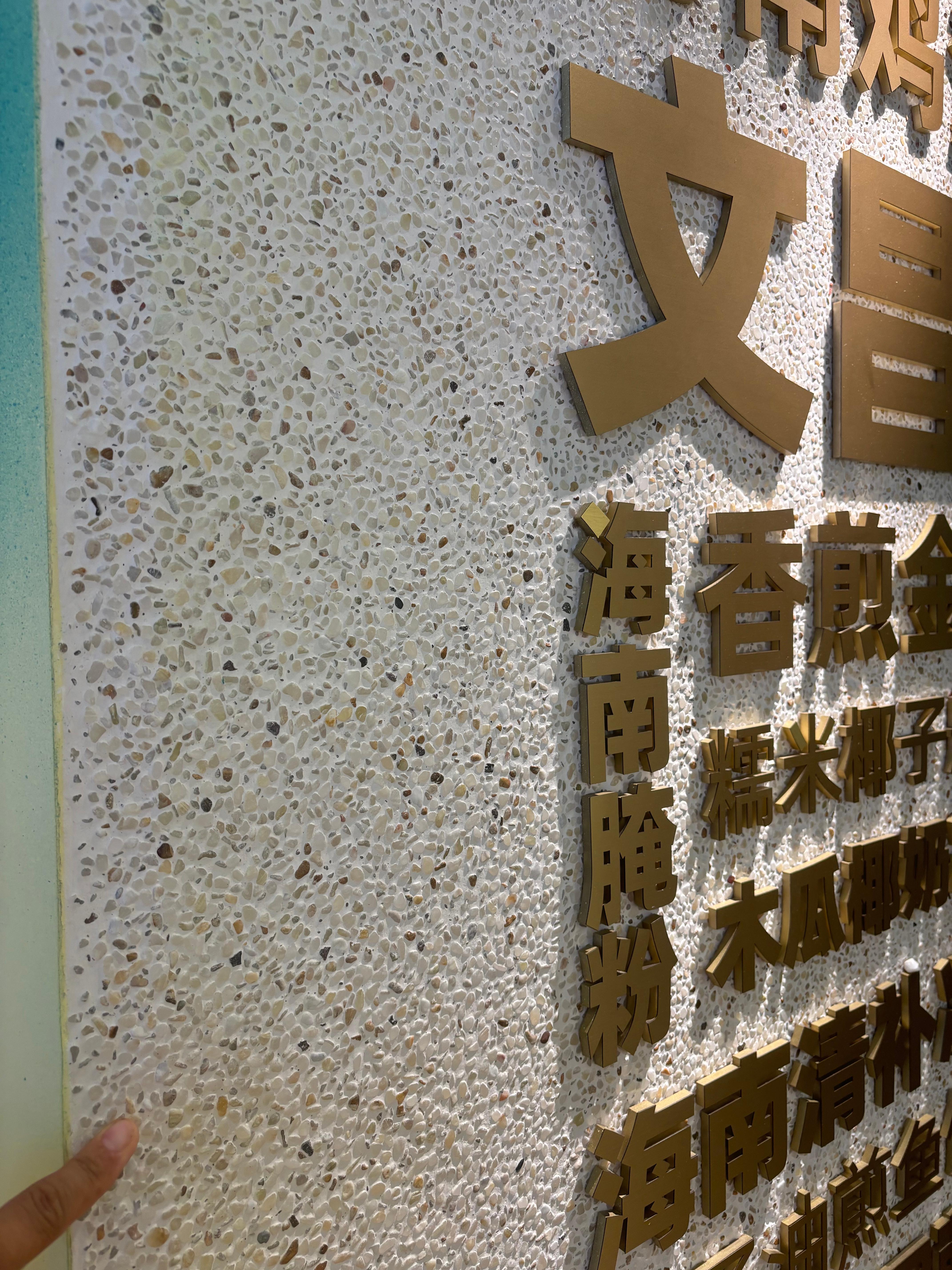
Washed stone has a very wide range of applications. It is most commonly used for courtyard flooring, entrance halls, outdoor walkways, garden landscape paths, and other areas that require good anti-slip performance and a natural appearance. It can also often be seen on exterior walls of residential communities, community sidewalks, parks, squares, and even around swimming pools. In addition, washed stone is sometimes used for large‑area exterior wall decoration to create a natural and rustic aesthetic.
Applicable Areas & Unrecommended Applications
Washed stone is suitable for outdoor flooring, garden paths, and entrance areas that require fast drainage, foot traffic resistance, anti-slip safety, and a natural texture.
However, it is not suitable for all locations:
Not recommended for indoor spaces, as dust is difficult to clean and surface pores and unevenness easily trap dirt.
Not suitable for constantly damp or waterlogged areas, as long‑term moisture can cause mold growth.
Areas with prolonged intense sun exposure require attention, as thermal expansion and contraction may cause cracking, making expansion joints necessary.
Not suitable for heavy machinery traffic zones, as heavy vehicles can damage the surface.
Advantages and Disadvantages of Washed Stone
Advantages
-Excellent anti-slip performance: Its rough surface remains non-slip even when wet, making it ideal for outdoor areas used by the elderly and children, effectively reducing the risk of slips and falls.
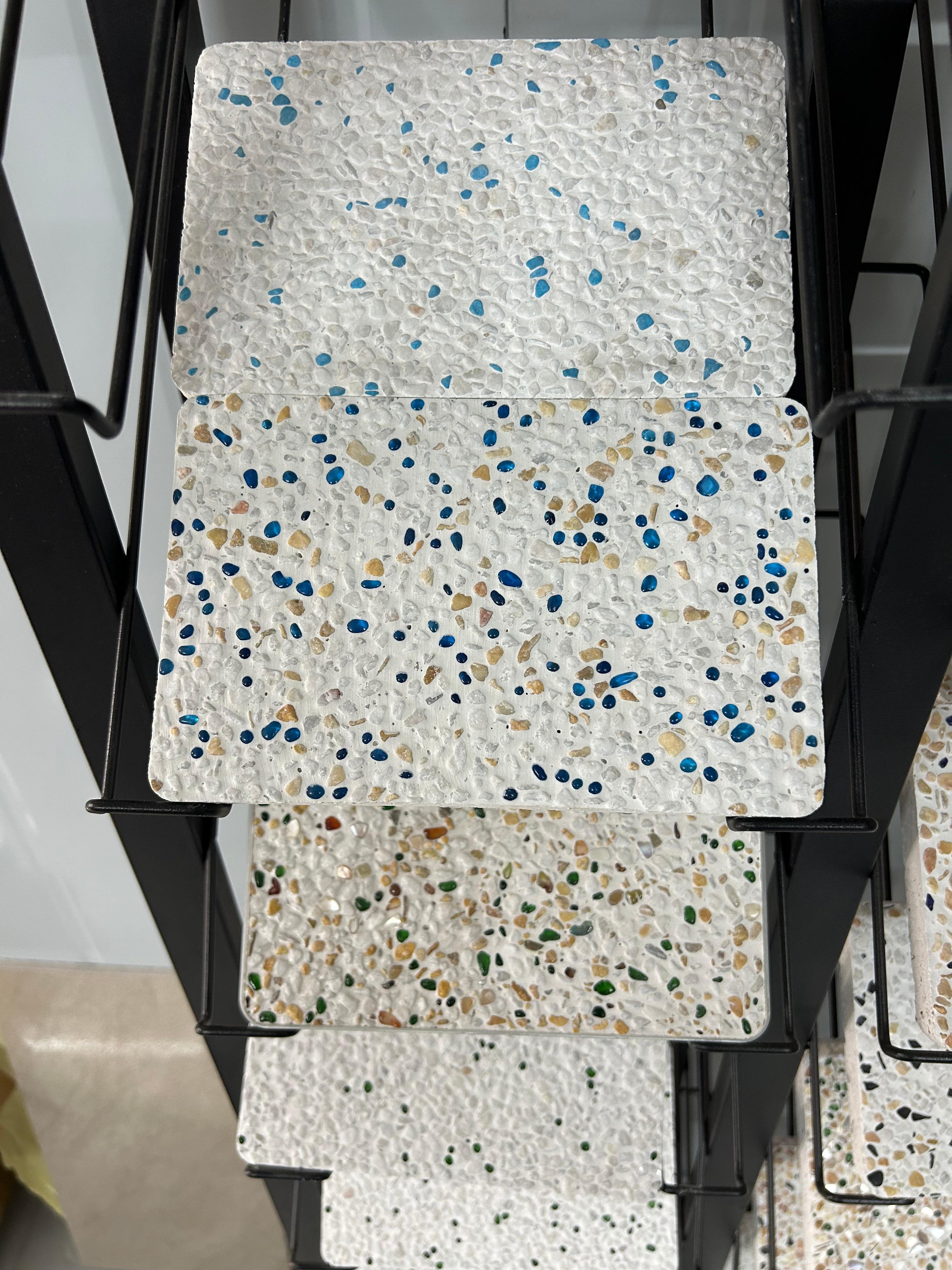
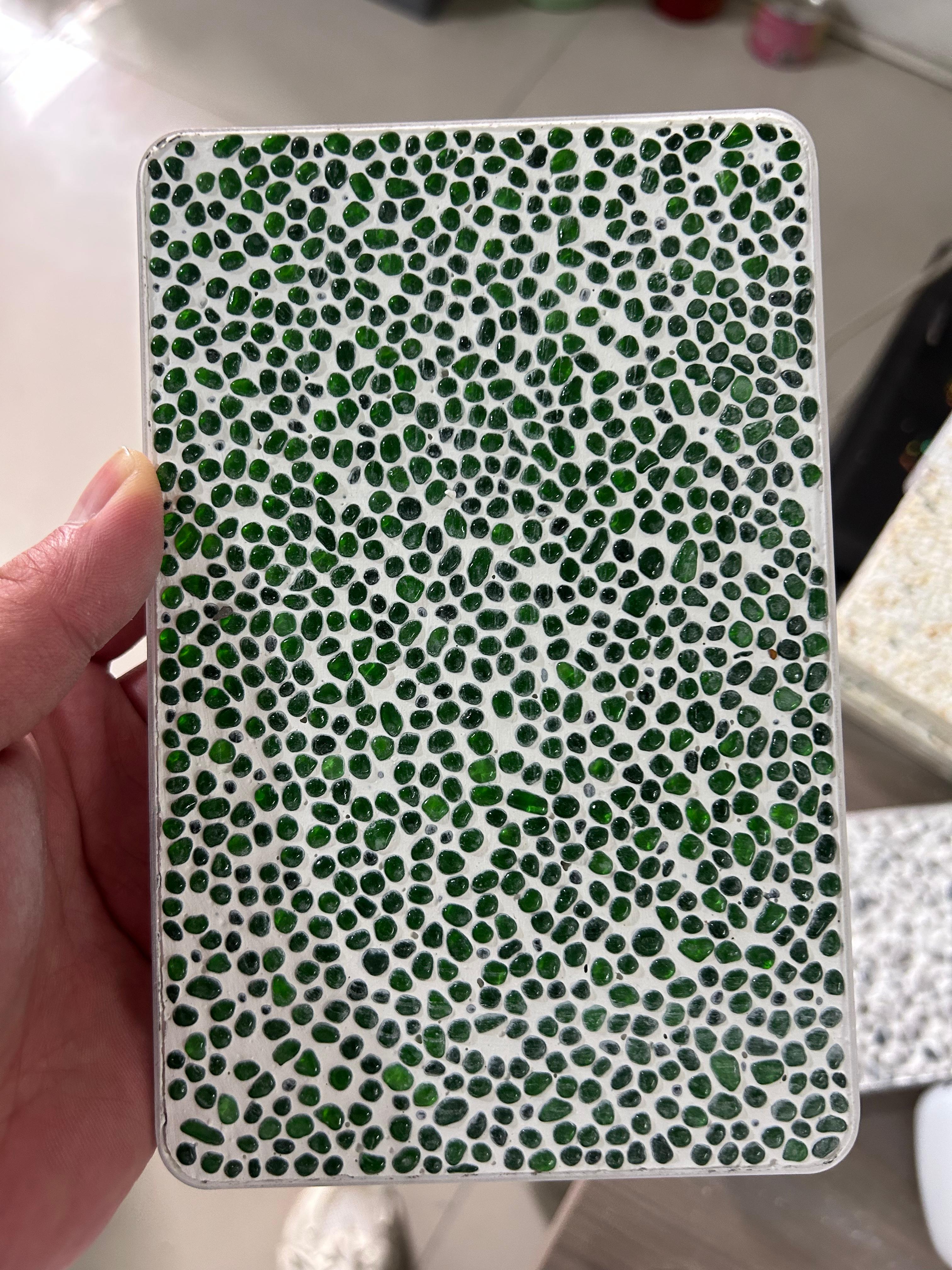
Diverse colors and styles: Can be mixed with different colored stones, glass, or shells, offering great design flexibility to meet various aesthetic preferences.
Compression-resistant and durable: With proper construction, it withstands weathering and has a long service life, saving replacement costs and effort.
Easy maintenance: Ordinary dust can be removed by sweeping or water flushing; maintenance is simple as long as standing water is minimized.
Monolithic construction with easy partial repair: Small‑area damage can be repaired without full replacement, making it economical and convenient.
Disadvantages
Prone to trapping dirt: Surface pores and unevenness easily catch dust, sand, and moss, requiring regular cleaning to maintain appearance and hygiene.
Surface stones may wear or fall off: In high‑traffic walkways, surface aggregate may gradually wear or detach, requiring frequent maintenance and reinforcement.
High construction skill requirements: Poor workmanship can lead to peeling, sanding, or other defects, so professional contractors and experienced workers are essential.
Cracking due to thermal expansion and contraction: Sensitive to temperature changes; proper control joints must be planned to prevent large‑area cracking.
Regular maintenance required: To preserve appearance and service life, reapplication of protective coatings and joint repairs are recommended annually.
Price Range and Influencing Factors of Washed Stone
Price Range
Outdoor washed stone generally starts at approximately 2,500–4,000 NTD per ping, or about 850–1,300 RMB per square meter.
Prices vary by material, color, and quality, generally ranging from 90–1,100 RMB/ton. Examples:
Golden stone: around 800 RMB/ton
Red stone chips: around 900 RMB/ton
Black washed stone: around 400 RMB/ton
Machine‑made snow white stone: around 850 RMB/ton
Factors Affecting Price
Type and quantity of stone: Different stone materials vary greatly in price; higher volume increases cost.
Construction scope: Large‑area projects may offer cost advantages, while special shapes, multiple colors, or inclusions such as glass aggregate can increase the budget by several thousand yuan.
Construction difficulty: Complex techniques require higher skill and labor, raising costs.
Local labor costs and site preparation conditions also affect final pricing.
It is advisable to obtain multiple quotes for comparison before construction.
Key Points for Construction and Maintenance of Washed Stone
Construction Key Points
Thoroughly clean and level the base to ensure it is free of debris and dust.
Carry out construction in batches and monitor temperature and humidity to maintain suitable conditions.
Ensure uniform thickness during placement; avoid rushing. For large areas, plan expansion joints to prevent cracking from weather changes.
Focus on controlling moisture and placement thickness to ensure dense, even aggregate distribution.
Maintain proper surface flatness, compaction, joint layout, and slope to prevent water accumulation and cracking.
Experienced workers are recommended to ensure quality control throughout the process.
Maintenance Key Points
Regularly sweep to remove dust and debris.
Remove moss with a stiff brush when needed.
Apply a transparent protective coating 1–2 times per year to prevent aggregate embrittlement and dirt absorption.
Avoid strong acid or alkaline cleaners, which may damage the surface.
Proper regular maintenance extends service life and preserves appearance and performance.