A Complete Guide to All Application Scenarios of Black‑Mountain‑Stone & Suitable Placement Locations
A Complete Guide to All Application Scenarios of Black‑Mountain‑Stone & Suitable Placement Locations
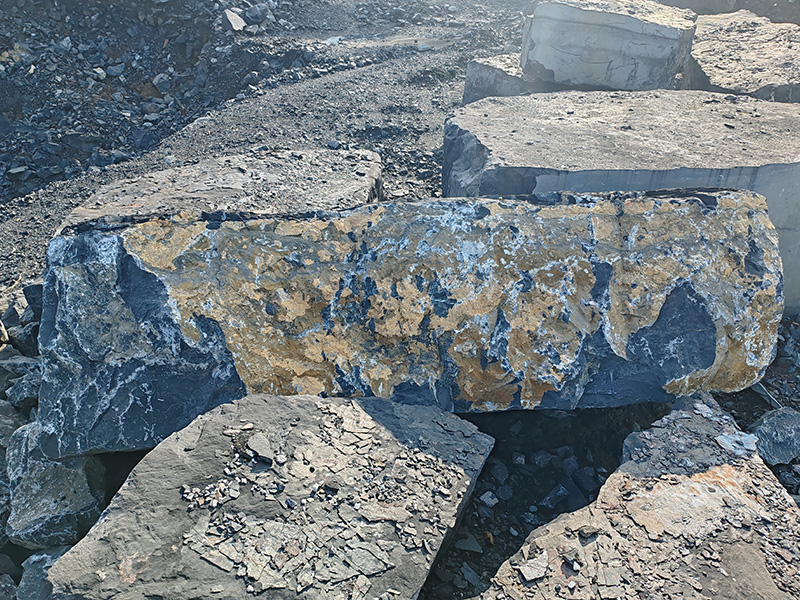
As a popular natural landscape stone, black‑mountain‑stone features deep‑black body and natural white stone veins. Boasting compact and hard texture, it resists weathering and long‑term water soaking. Its primitive and rugged appearance fits multiple landscape styles, including Japanese‑style dry landscape, new‑Chinese style and minimalist wild‑nature decoration.
Many landscape designers, courtyard owners and engineering purchasers are confused about proper placement and unsuitable sites for black‑mountain‑stone. Summarized from years‑long landscape construction experience, this article sorts out applicable scenarios, detailed usage, risky sites and placement tips to help you avoid common mistakes in landscape planning.
1. Strengths and Drawbacks of Black‑Mountain‑Stone for Site Selection
Main Advantages
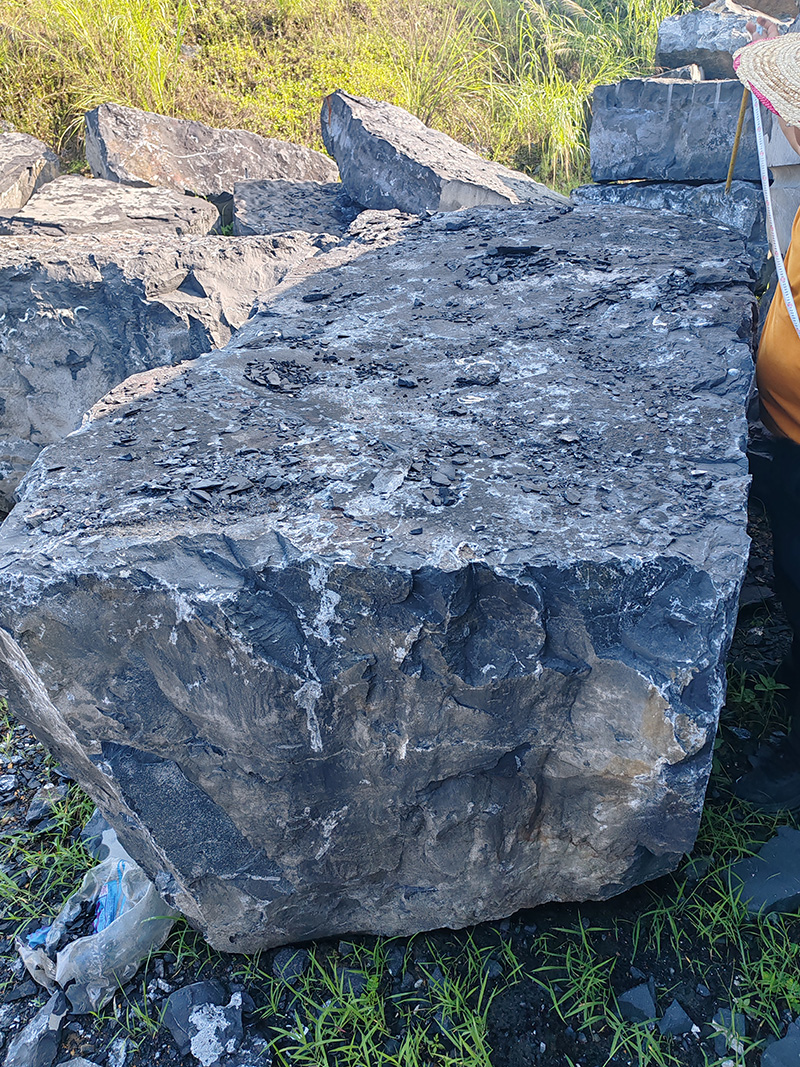
High hardness reaching Mohs scale 6‑7. It seldom peels off under sun and rain and keeps stable after decades‑long water contact outdoors.
Irregular raw‑stone shapes enable diversified applications: standalone ornament, stacked rockery, sliced stepping‑stones and feature walls.
The deep dark color turns glossy when wet. It matches perfectly with green plants, running water and white sand for peaceful zen‑style atmosphere.
Low‑maintenance requirement. Only surface dust cleaning is needed without regular painting care.
Material Shortcomings
Heavy dark stones will cause a cramped feeling if piled in narrow enclosed spaces. Huge stone weight triggers sinking on soft backfilled soil. Raw wild‑looking stones may clash with delicate luxury‑style courtyards.
2. All Suitable Placement Scenarios
2.1 Private Villas & Family Courtyards
Courtyards rank as the most common application site. Stones of different sizes serve diverse purposes.
Focal standalone stone. Place large‑sized black‑mountain‑stone on lawns, entrance corners and flower‑bed ends as visual highlights, matched with maple, bamboo and low shrubs.
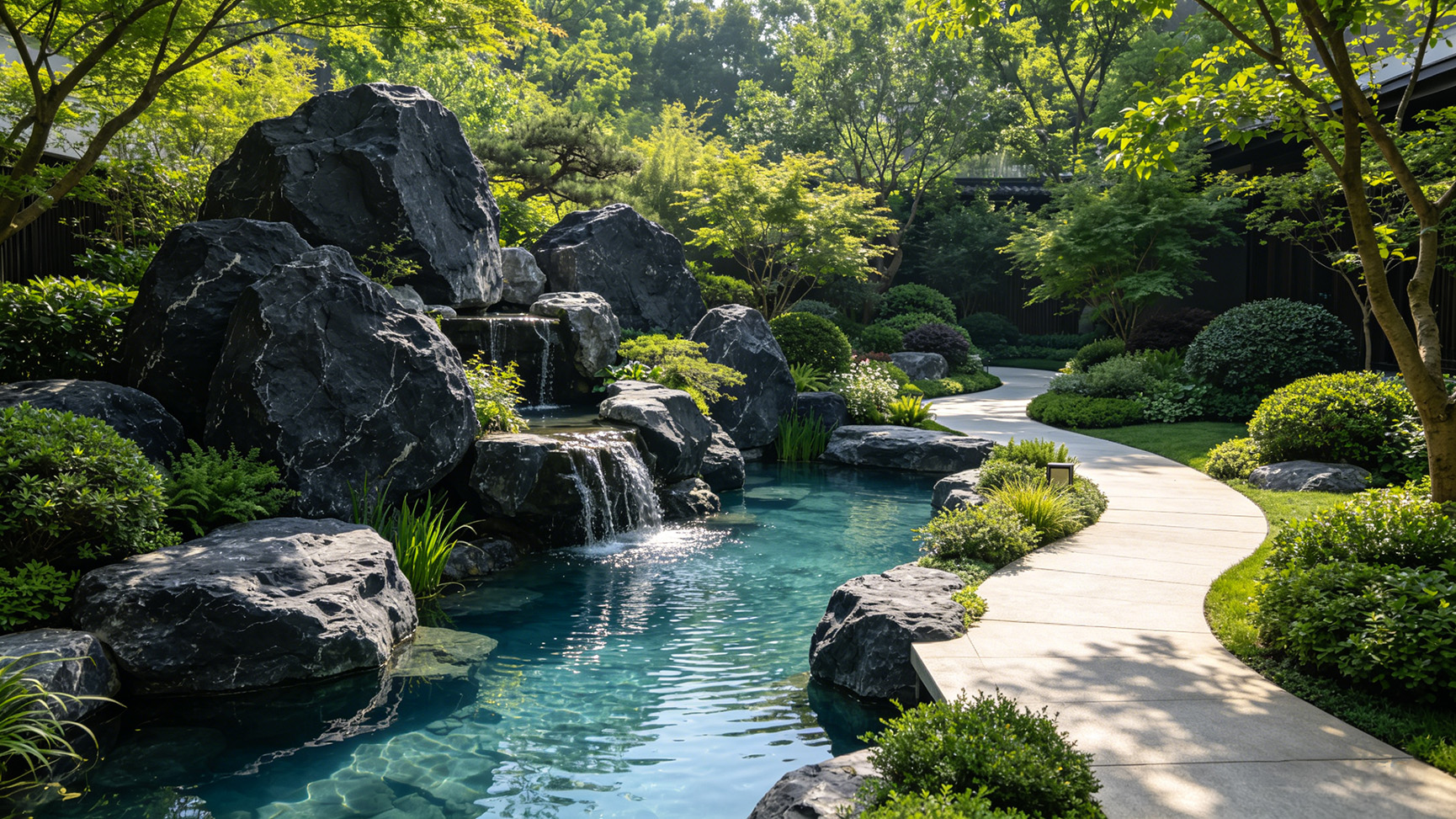
Stacked rockery‑waterfall and pond revetment. Assemble stones into miniature flowing‑water rockeries and pond banks for soil retention. Reflections on water greatly upgrade landscape effects.
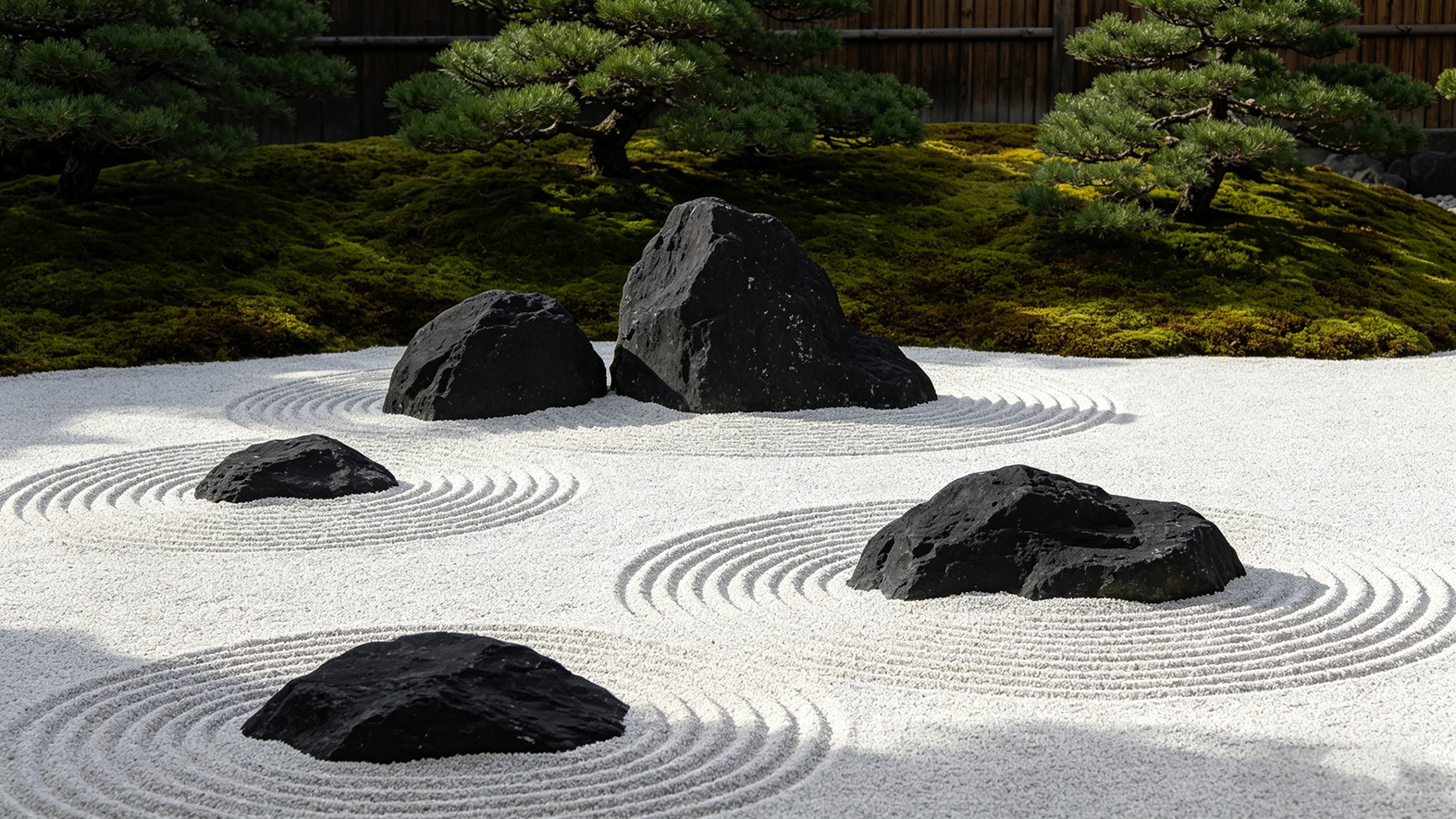
Japanese dry‑landscape layout. Group small‑size stones with white sand and moss to simulate mountains and islands for tea‑house yards.
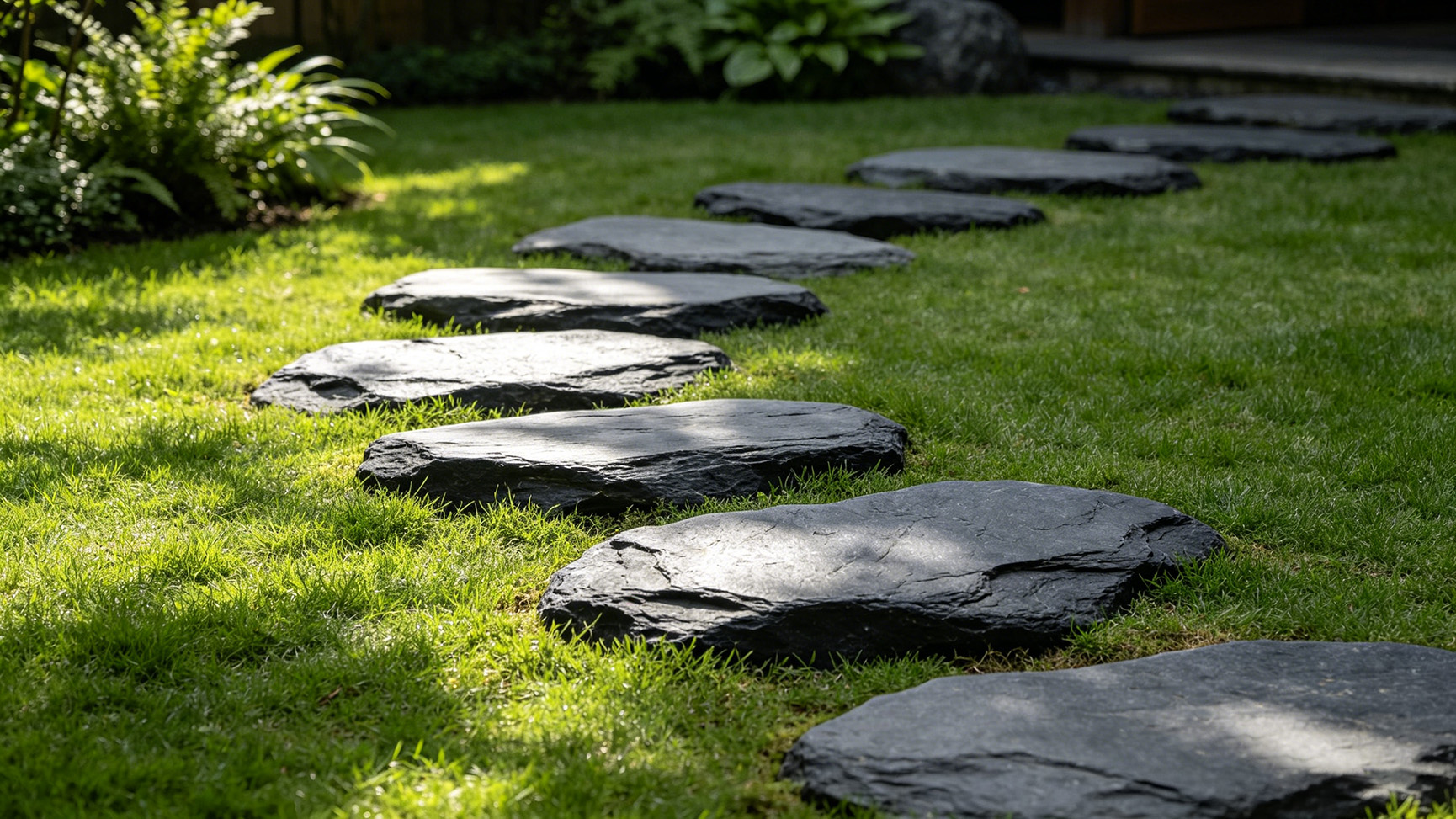
Sliced‑stone stepping paths and resting seats. Flat sliced stones work as outdoor benches and walkway stepping‑stones.
Boundary decoration along walls, green belts and flower terraces to soften rigid hard‑scaped walls.
2.2 Commercial, Cultural‑Tourism & Public Landscapes
Sales‑office demonstration zones: water‑feature ornaments raise the landscape grade.
Homestays, farmhouses, tea chambers and clubs build popular check‑in water‑scenery spots.
Urban pocket parks, river embankments and residential‑community green belts.
2.3 Indoor and Semi‑indoor Areas
Zen‑style dry landscapes inside tea rooms, entrance halls and club lobbies.
Sunrooms, corridor zones and sunken courtyards.
Sliced‑stone backdrop walls and space‑dividing ornaments.
2.4 Factories, Farms and Outdoor Recreation Zones
Gate landmark stones and factory‑yard rockeries.
Farm‑stay ponds, campsite waterscapes and ecological‑park natural scenery.
3. Risky Sites Where Black‑Mountain‑Stone Easily Causes Landscape Failures
Ultra‑tiny enclosed yards (under 15 square meters). Massive dark‑colored stones compress vision and create depressing surroundings. Small yards only adopt tiny accent stones rather than huge rockeries.
Newly‑filled loose soil. Heavy stones sink and tilt without hardened foundation treatment.
Exquisite European‑style or luxury‑French gardens. The primitive wild texture creates serious style conflicts.
Children‑frequent activity zones. Sharp raw‑stone edges raise collision‑injury risks. Polished rounded landscape stones are preferred.
Water ponds with strong acid‑alkaline sewage. Corrosive sewage erodes the outer stone layer over time.

4. Size‑based Site Matching Guide
80‑150 cm large raw stone: lawn focal stone, gate landmark, main rockery stone
30‑80 cm medium‑size stone: pond bank, rockery accessory stone, green‑belt decoration
10‑20 cm small fragments: dry‑landscape combinations, water‑bowl borders and flower‑bed edging
Sliced stone: stepping‑stones, benches and feature stone walls
5. Final Summary
Black‑mountain‑stone suits spacious courtyards, homestays, tea houses, park water scenery and zen dry‑landscape.
Use cautiously in narrow yards, soft ground, luxury‑style gardens and kid‑play zones.
Large stones serve as main scenery, small stones work as edging decorations. Pair stones with running water and green plants for authentic wild‑style courtyard scenery.